It might be famed for kissing under at Christmas, but mistletoe could actually be a key feed ingredient to livestock farmers around the world, according to scientists.
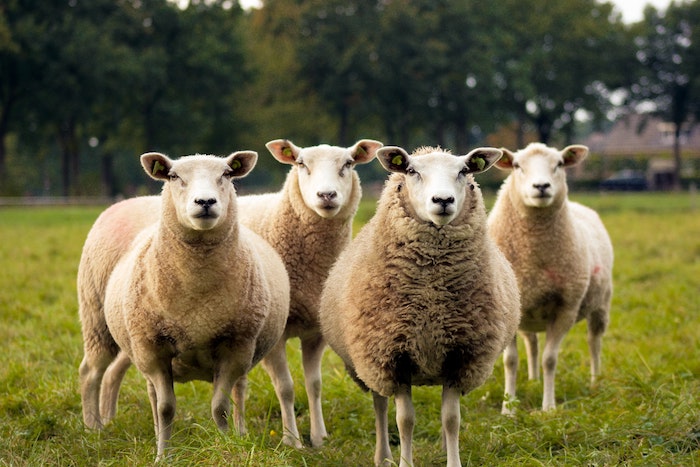
A review of research into true mistletoe (of the Viscum species) found it can reduce forage requirements, making it a cost-effective alternative source of protein and minerals for cattle and sheep.
What’s more, mistletoe species can also offer health benefits to livestock thanks to their anti-inflammatory and antimicrobial properties.
In a paper published in the journal Animals, researchers in South Africa said species of mistletoe are used in many semi-arid and arid regions around the world when good quality forage is in short supply.
And with Viscum species growing in America, Africa, Asia and Europe, more producers could consider the value the perennial plant could bring to their businesses.
Mistletoe could be a helpful pest
Described as semi-parasitic, mistletoe typically grows on the outer crown of a host tree or shrub, but it can also grow directly directly on the tree trunk to tap into the host’s water and nutrient supply.
Because this impacts the host’s quality and development, as well as the tree’s ability to absorb carbon, many farmers attempt clear mistletoe from their land.
However, allowing livestock to browse the plants can not only help as a biological control, it can also bring health and production benefits to ruminants, the researchers said.
Viscum species tend to have a crude protein of more than 80g/kg of dry matter, meaning it can act as a useful, highly digestible feed alternative — particularly when grass nutrient quality is in decline, they wrote.
Nutritional benefits and animal health effects
They are also a good source of minerals including phosphorus, iron, calcium, magnesium, zinc and copper, suggesting it can be fed to ruminants without the need for mineral supplementation.
When eaten in moderation, the species could benefit livestock thanks to their antimicrobial and anti-inflammatory properties, and research has also indicated they can increase immune responses in livestock, the researchers said.
“Viscum species have the potential to serve as a substitute source of feed for ruminant animals due to their nutritional makeup, medicinal properties, and livestock acceptance,” they wrote.
“Even though the species does have detrimental impacts, it is advised that mistletoe control management in rangelands be conducted with caution,” they added.
“Moreover, the efforts taken to regulate it should not result in the plant’s total eradication due to the benefits it provides in terms of fodder, medicine and in other areas.”
Key takeaways
- Mistletoe offers a low-cost feed supplement for grazing livestock, potentially reducing reliance on purchased feed.
- Animals grazing mistletoe showed positive indicators of nutrition without negative health effects.
- Farmers need to balance mistletoe control with tree and pasture health when implementing this approach.
- Site-specific factors—such as tree species, infestation levels, and stock mix—affect adoption viability.
- Further trials are needed to validate long-term benefits, animal impact, and management guidelines.
Want to read more stories like this? Sign up to our newsletter for bi-weekly updates on sustainable farming and agtech innovation.