Insect farming companies should focus on feed sources not already used for other animals and avoid setups and areas with high electricity demands to deliver economic viability and sustainability.
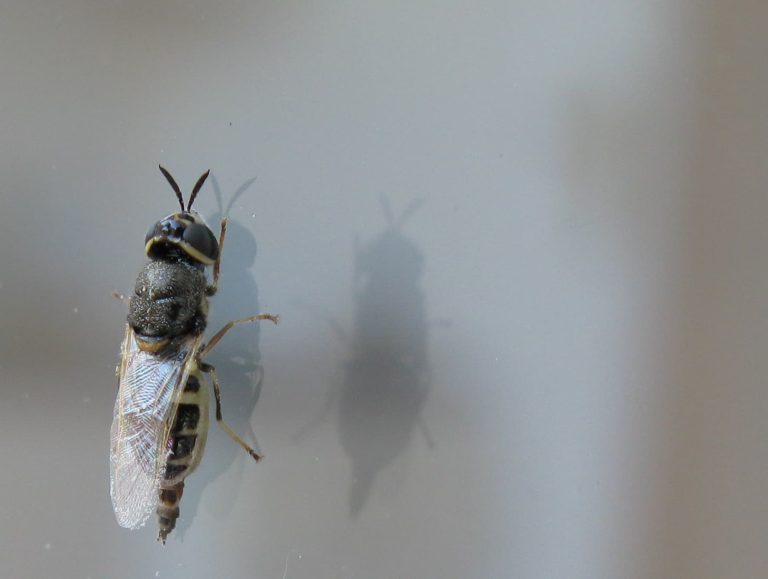
That’s according to Ben Brown, COO and founder of InsectBiotech, which farms black soldier fly to produce protein for livestock, biodiesel as an alternative to palm oil, and fertiliser for regenerative agriculture.
Brown was speaking at the Royal Entomological Society’s annual Insects as Food and Feed event, where other presenters had underlined their concerns about the environmental and financial performance of the insect farming industry.
Rethinking feedstocks: why using wheat bran is ‘crazy’
He described fishmeal, one of the conventional feeds used in pig farming and aquaculture, as “one of the dumbest things we do as a civilisation.” He also called feeding insects wheat bran, as has often happened at commercial insect producers, “a crazy concept.”
Brown’s company selected black soldier fly for its rearing time and feeding requirements, after realising that the poultry industry’s protein requirements weren’t as high as he expected. Aquaculture, poultry and swine are the big targets for the protein produced by the fly larvae, with Brown noting that pig farmers in the region are showing considerable interest.
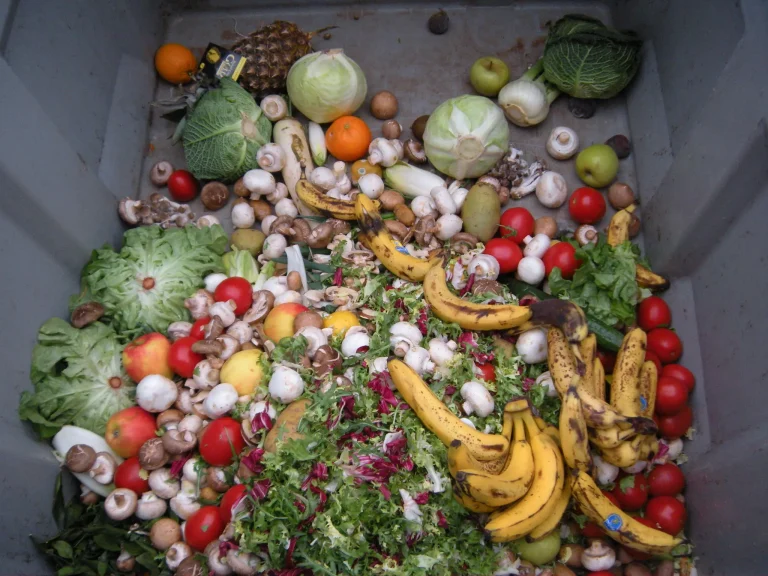
To make insect meal competitive with soybean and fishmeal while improving its sustainability, he said, there is a need to focus on “true organic wastes” which fall outside consumer demand. Then there’s the matter of the nutritional consistency of waste sources, which has been offered as a reason for some insect farming companies not meeting expectations. Brown suggested that changing waste stream according to seasonal availability of agricultural wastes is a problem for the sector.
Turning olive waste into opportunity
InsectBiotech’s solution is to feed its insects on olive pomace derived from the major olive oil-producing Spanish region of Andalucia — four million tonnes of waste produced annually which “basically has no home,” he said.
While the company benefits from having a large supply of waste to hand, further advantages come from the Spanish climate and labour market. It is making use of solar PV in “the sunniest place in Europe,” with support from EU grants.
“I think when people are building farms, the consideration should be, is it sustainable from an environmental impact perspective and an economic perspective?” he said.
A leaner model for insect farming
The company’s lean structure and rural base is also suited to the task, he explained, comparing it to the “simply outrageous” capital costs of now-defunct French producer Ynsect.
“That cost a couple of hundred million for a very big facility that then introduced complexity of HVAC systems. That’s not the winner here,” he said. “Our approach is taking brownfield sites, no more than 15 or 20,000 square meters, with five farms doing nothing but rearing and a central hub that processes and does the rendering.”
Challenges ahead for frass and feed efficiency
While the concept looks promising in making insect bioconversion more viable, some challenges remain.
The frass left over from the production process is the biggest product by volume, but achieving commercial price points for a fertiliser product requires collecting further evidence that it does improve soil quality and yields. There are also issues around the phenol content of olive pomace, which can inhibit biogas production, as well as local acceptability of this energy source.
This company is collaborating on potential solutions in these areas. It is also involved in research to further explore protein palatability and absorption and pre-treatment methods for olive pomace that could improve feed conversion rates by the insect larvae.
Key takeaways
- Insect farms must use true waste, not existing feed sources, to stay sustainable.
- Ben Brown criticises “crazy” feed practices using food already in demand elsewhere.
- InsectBiotech uses olive pomace as a waste-based feed in southern Spain.
- Smaller, decentralised farms can outperform high-cost industrial insect facilities.
- Frass and feed optimisation remain challenges for commercial insect farming viability.
Want to read more stories like this? Sign up to our newsletter for bi-weekly updates on sustainable farming and agtech innovation.