If this year’s most-read stories on Farming Future Food tell us anything, it’s that interest is continuing to shift beyond business as usual when it comes for farming and food production.
Chemical crop protection, labour availability and protein supply chains all featured prominently in what interested our readers most. From priming plant immune systems to sending robots into greenhouses, these were the stories that grabbed your attention in 2025.
Teaching crops new tricks
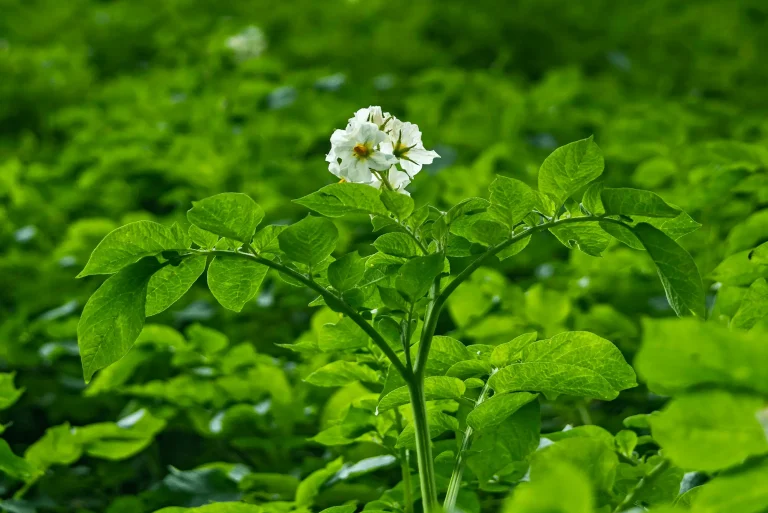
The idea that crops could be vaccinated against disease turned out to be one of the year’s biggest attention-grabbers. Research into immune priming suggests plants can be nudged into activating their own defence responses faster when pathogens strike, reducing disease impact without directly targeting the pathogen itself.
For growers facing fewer fungicide options and rising resistance, the appeal is obvious. This isn’t a miracle cure, but it is a glimpse of a future where disease control leans more heavily on plant biology than chemistry alone.
Read more: Plant vaccination: a potential solution to combat crop diseases
RNA sprays and gene silencing edge closer to reality
RNA interference has been a tech to watch for years, but reader interest suggests it is now being taken more seriously as a practical crop protection tool. RNAi works by shutting down essential genes in target pests, offering precision that conventional actives struggle to match.
Progress on formulation and delivery is making field use more plausible, even as cost, stability and regulation remain unresolved. With regulatory pressure continuing to thin the crop protection pipeline, it’s not hard to see why RNAi is attracting renewed attention.
Read more: The role of RNA interference in the future of crop protection
Robots report for greenhouse duty
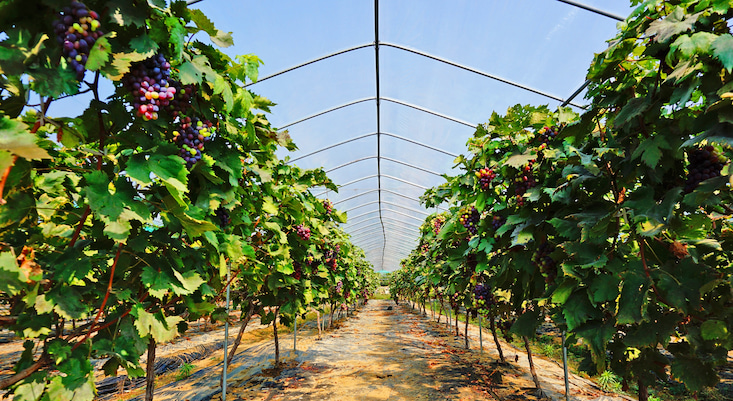
Labour shortages in protected cropping are a significant problem, particularly in Mediterranean production systems. Research and pilot projects now point to robots taking on repetitive greenhouse tasks such as harvesting and crop handling.
The emphasis is less on replacing workers and more on keeping systems running reliably when labour is scarce or unpredictable – something that’s hugely important for high-value fruit and vegetable growers.
Read more: Greenhouse robots could solve Mediterranean growers’ labour shortages
An autonomous rover with its eye on the soil
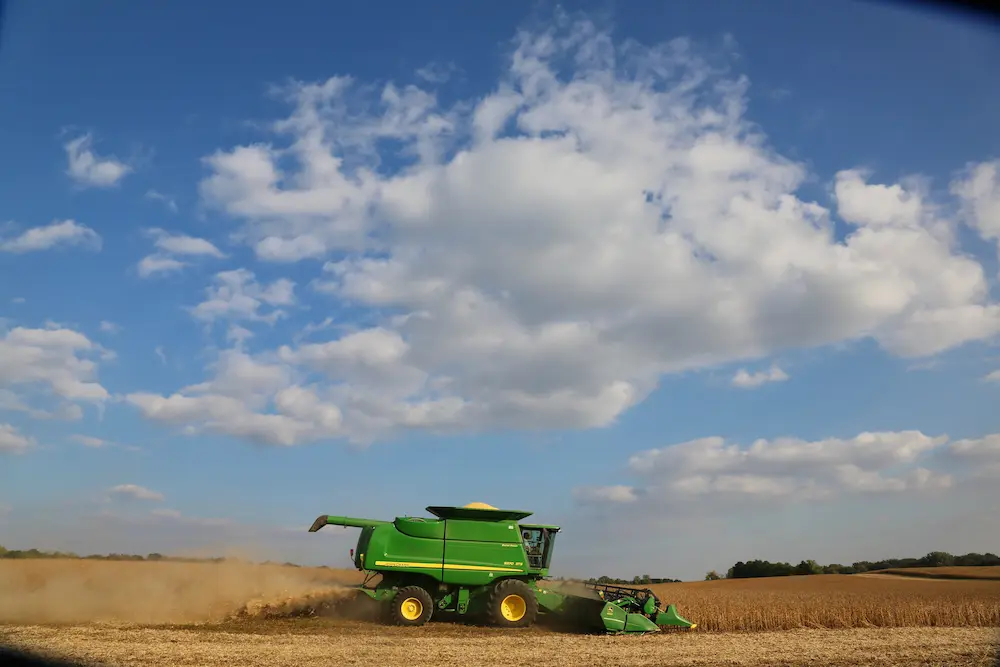
Precision agriculture continues to move closer to the crop, and in this case, onto the field itself. An AI-powered rover capable of harvesting while simultaneously sampling and analysing soil drew strong interest from readers.
The appeal lies in combining routine operations with data collection, allowing growers to understand within-field variability without extra passes, labour or machinery. Less sci-fi spectacle, more practical efficiency.
Read more: AI rover brings autonomous harvesting and soil testing to precision agriculture
Insects and algae make a serious pitch for the feed bowl
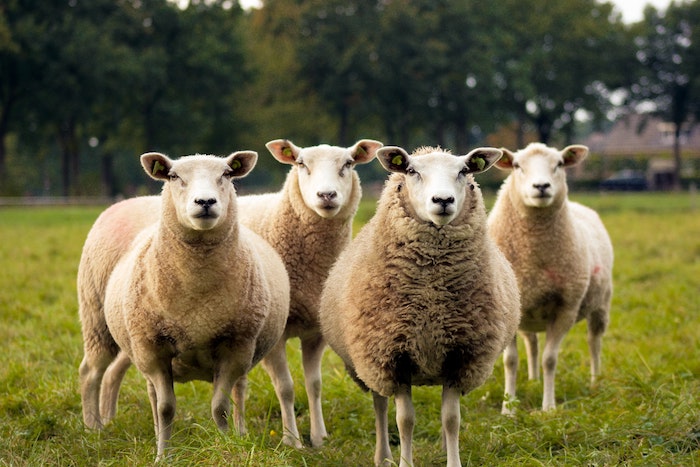
Alternative feeds are no longer just a sustainability talking point. Research into insects and algae shows both can deliver competitive nutritional profiles, while easing pressure on soy and fishmeal supply chains.
Scaling production and navigating regulation remain significant hurdles, but interest from feed producers and livestock sectors suggests these ingredients are moving steadily from novelty to necessity.
Read more: Putting insects and algae on the menu – everything you need to know about alternative feeds.
From plant immune priming and RNA-based crop protection to robots, AI field platforms and alternative feeds, these were the agtech and food production stories Farming Future Food readers engaged with most in 2025.
Want to read more stories like this? Sign up to our newsletter for bi-weekly updates on sustainable farming and agtech innovation.