Plans for increasing the use of soldier fly as a sustainable protein source for food and feed shouldn’t be so fixated on one species, according to an expert review.
A broader soldier fly family
Developments in production and processing technologies using flies have focused almost entirely on black soldier fly (Hermetia illucens). But Santos Rojo, a professor from the University of Alicante, believes that this is limiting innovation and denying the opportunity for develop better fits for local cultures.
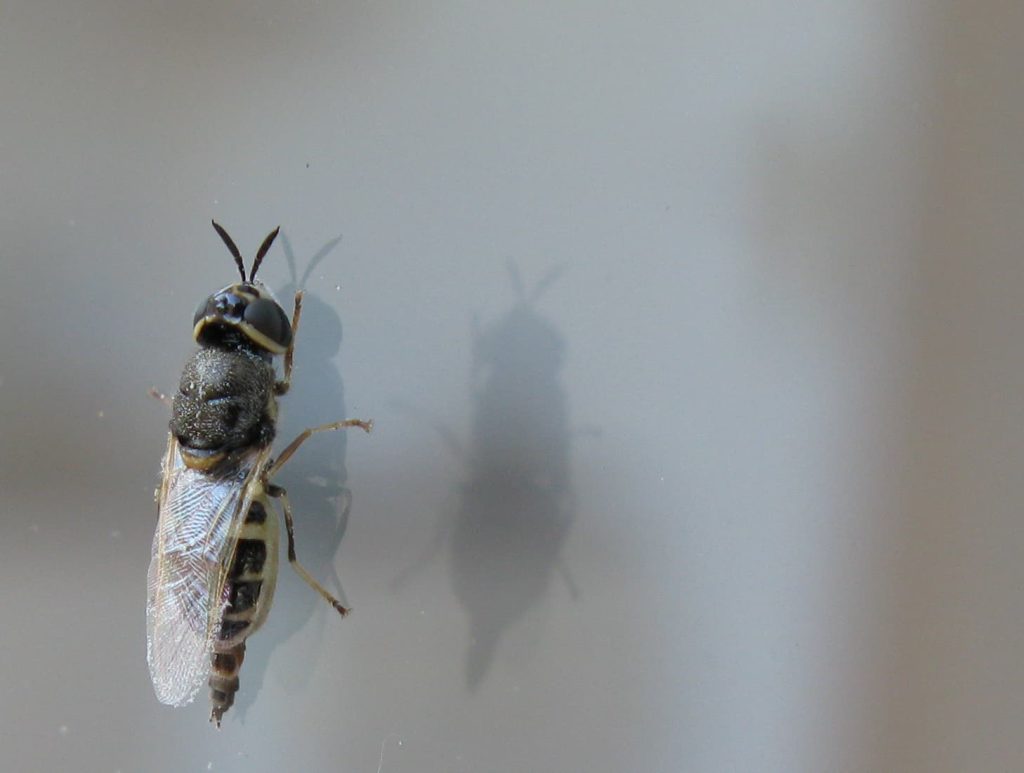
In a review in Journal of Insects as Food and Feed, Rojo pointed to four other soldier fly species which have shown promise for commercial development. In particular, he highlighted considerable research devoted to Ptecticus tenebrifer, a soldier fly with an East Asian distribution.
Emerging Asian alternatives
Studies have shown that this species can bring advantages when fed to shrimp, fish, broilers, ducks and layers, with research just beginning around its inclusion in pig diets. Other work has demonstrated the species’ potential in developing circular approaches to manure processing – although results have been far more favourable when using pig manure than in studies using poultry manure.
Research and supply networks for P. tenebrifer are currently limited to South Korea, but Rojo pointed to private companies looking to build supply chains and national policy initiatives designed to bring the species closer to the alternative feed and waste management mainstream.
Another species which gets a special mention is Ptecticus aurifer. Research on this species has been concentrated in China, but while studies have highlighted a promising nutritional profile and the fly has begun to be used in poultry feed trials, it is early days in developing its potential.
New species, new opportunities
Beyond these examples, Rojo also pointed to research in Brazil that identified over 60 species of soldier fly in a relatively small area, and far greater diversity than was previously thought emerging in the Hermetia genus – the same group of species as the black soldier fly.
“Together, these examples underscore that species currently exploited for insect-based bioconversion represent only a small fraction of a much larger reservoir of soldier fly diversity,” he stressed.
Barriers to commercial adoption
Rojo argued that “taxonomic narrowing limits innovation and regional optimisation of insect-based circular bioeconomy systems,” and that to capture the possible benefits of a widening of scope, soldier fly research needs closer integration right across the board. This includes regionally adapted strategies to rear new species at scale, as well as legislation enabling this to happen.
“Expanding beyond a single flagship species is…not merely an academic exercise but a strategic necessity for building resilient, locally optimised insect production systems and harnessing the still largely untapped potential of soldier fly biodiversity within future circular bioeconomy pathways,” he concluded.
Key takeaways
- Black soldier fly dominates insect farming research and commercial development.
- Other soldier fly species show promise for feed and waste management.
- Ptecticus tenebrifer has delivered encouraging results in livestock and aquaculture studies.
- Greater species diversity could improve regional adaptation and innovation.
- Need for supportive regulation and broader commercial investment remains.
Want to read more stories like this? Sign up to our newsletter for bi-weekly updates on sustainable farming and agtech innovation.