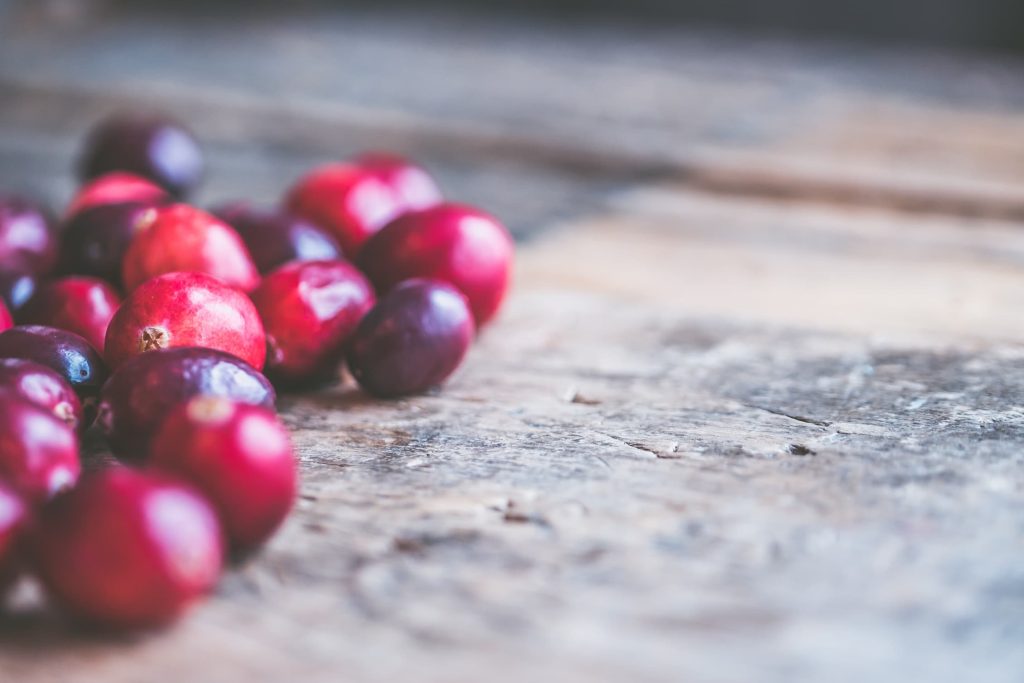
Cranberries are normally found in sauces accompanying seasonal poultry, but a growing body of research is highlighting their health potential as a feed for farmed birds.
Fruit waste enters the feed debate
The quest is on for more sustainable options for livestock nutrition, and what are known as fruit pomaces — waste products such as after juices or oils are produced — look like a promising contender for wider use. Cranberries are just one of several fruits under the spotlight, with blueberry and grape pomaces others that may offer suitable alternative feeds.
Birds’ microbiomes are also under increasing scrutiny, as scientists seek options to improve gut health and reduce the development of antibiotic resistance. Canadian research has shown that feeding male broiler chickens a diet including 0.5% American cranberry pomace increased the presence of beneficial bacteria in the gut and changed the profile of antibiotic resistance genes.
Cranberry versus antibiotics
The scientists compared adding the antibiotic Bacitracin Methylene Disalicylate (BMD) to feed with adding different percentages of cranberry and wild blueberry pomaces, with and without a mixture of enzymes.
They found that the 0.5% cranberry pomace diet significantly reduced numbers of coliform bacteria, which can indicate contamination, compared to BMD. When the feed with cranberry was supplemented with enzymes, these bacteria also decreased; however, this was not the case with the feed containing blueberry with the enzymes, where the scientists observed the opposite effect on the bacteria.
Including the fruit pomaces in birds’ diets increased the abundance of ‘good bacteria’ from the Lactobacillus and Bacteroides genera in their guts, with or without enzymes, while cranberry decreased Proteobacteria, a type of bacteria which includes many pathogens.
Mixed signals on antibiotic resistance
Results on antibiotic resistance were mixed. In-feed enzymes increased resistance to the antibiotic aminoglycoside. The addition of cranberry reduced the abundance of genes associated with resistance to macrolide and lincomycin; however, the abundance of genes linked with tetracycline resistance.
“Berry products have shown their impact in positively modulating the gut microbiota of broilers when compared to bacitracin, especially in the early life of broilers when pathogenic bacteria have far-reaching consequences in terms of mortalities, morbidities, and economic losses,” they researchers wrote.
There is still more work to be done before these fruit pomaces make the mainstream, however. They pointed to a need to better understand the genetic mechanisms of the impact on antibiotic resistance, costs and benefits as well as how to balance the use of pomaces and enzymes in feed to ensure positive effects for bird health and productivity.
Toward sustainable poultry diets
An review from summer 2025 showed how this research fits into a wider picture. The authors, from universities in China and Thailand, pointed to previous studies showing that cranberry and grape pomaces can aid antioxidant defences in birds and promote, the proliferation of beneficial bacteria and prevent disease-causing bacteria like Escherichia coli and Clostridium colonising the gut.
They concluded that such pomaces are potential substitutes for both antibiotics and conventional feed ingredients, while reusing waste products from fruit industries and reducing costs for poultry farmers. 2025 may well be remembered as the beginnings of a new use for a festive fruit.
For more festive agri-science, see tales of mistletoe meals and twinkling lights and turkeys from Farming Future Food Christmases past.
Key takeaways
- Cranberry pomace improved gut bacteria profiles in broiler chickens.
- A 0.5% cranberry diet reduced potentially harmful coliform bacteria versus antibiotics.
- Fruit pomaces increased beneficial Lactobacillus and Bacteroides populations.
- Effects on antibiotic resistance genes were complex and diet-dependent.
- Pomaces could replace antibiotics while recycling fruit industry waste.
Want to read more stories like this? Sign up to our newsletter for bi-weekly updates on sustainable farming and agtech innovation.