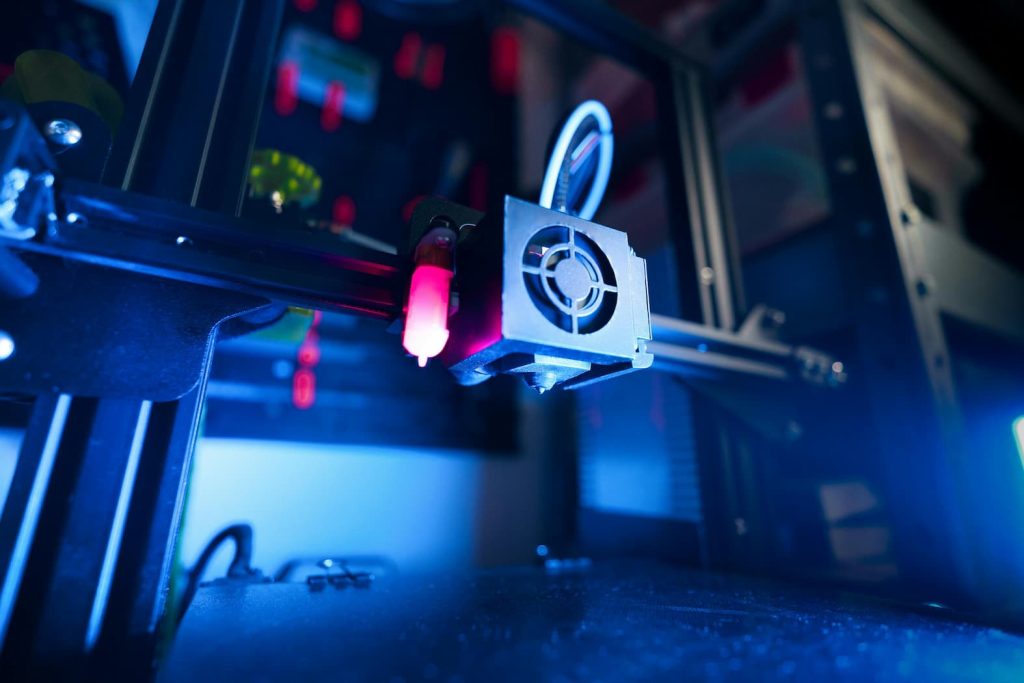
3D printed insect pheromone carriers can improve both the sustainability and performance of pest traps, lab and field research suggests.
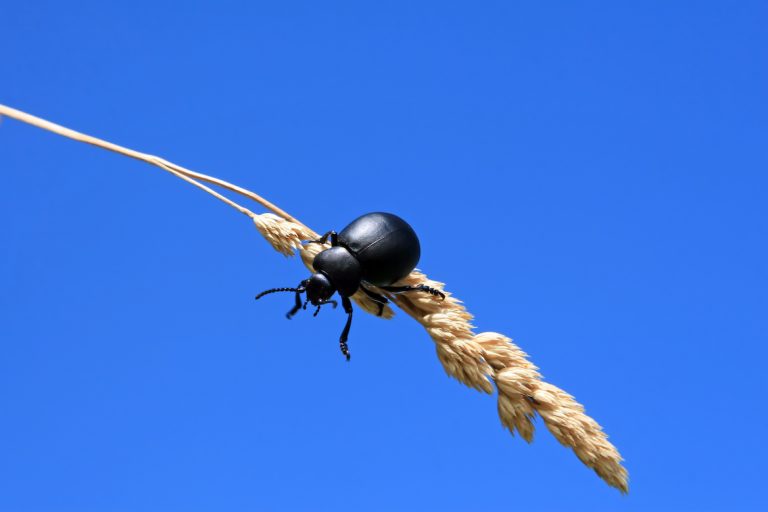
Demand for traps using insect sex pheromones to lure them in is growing, to both control and monitor pests which feed on valuable crops. Conventionally, carriers for the pheromones are made of synthetic rubber, which is not only non-recyclable and non-biodegradable, but can suffer from a short release window for the pheromones.
Designing a greener alternative
As an alternative, researchers from Chinese Academy of Agricultural Sciences designed a cellulose acetate polymer carrier, strengthened with the addition of lignin sulfonate, another polymer derived from a natural component of wood, and charged iron particles. They made inks carrying the sex pheromone of the Oriental fruit moth (Grapholita molesta) that could be directly written on to the carrier using a 3D printer.
From their laboratory studies, they demonstrated that the carrier absorbed the pheromone effectively and could carry on releasing it for six weeks. It also showed physical properties necessary to withstand transportation and application in the field.
Field trials back up lab findings
After validating and testing the properties of their new carrier in the lab, they went on to carry out a field study in an agricultural district outside Beijing, where both the novel carrier and conventional synthetic rubber carriers were compared in identical traps. The scientists moved the traps to different locations to avoid confounding their results with locations that were either more or less advantageous for trapping.
In the field, the new pheromone release system performed better than the conventional rubber option, trapping significantly more G. molesta, which is a high-risk invasive species around the world, posing serious threat to stone fruit farming operations.
“These field results provided compelling evidence for the effectiveness of 3D-printed pheromone carriers in complex environmental conditions,” the scientists wrote in the journal Advanced Science.
“The long-term and better trapping performance of [the novel carrier] can be attributed to both the cellulose-based composites themselves and their optimized internal chemical crosslinking, which together enable the protection of pheromones and regulation of their release behaviour.”
Towards a circular pest-control system
Crucially, the research also showed that the carriers used in the study can be recycled and reprinted. After multiple cycles of repurposing the materials, they saw little drop-off in how the carrier holds and releases pheromones. They also showed that the product can biodegrade in soil, with their tests demonstrating over 20% degradation over the 105 days studied.
New materials and manufacturing approaches are needed to improve the sustainability of agricultural practises. In sustainable pest control this is particularly pertinent, as several polymers which are difficult to recycle and don’t biodegrade are used in trapping and stopping pests.
“These findings offer a viable pathway toward achieving a circular economy in agricultural pest control,” the scientists said.
“As agricultural technologies evolve and interdisciplinary research advances, 3D printing stands out as a user-friendly technology with significant potential for application and development in precision agriculture and sustainable farming practices.”
Key takeaways
- 3D-printed carriers release pheromones longer and more consistently than rubber versions.
- New cellulose-based composite is recyclable, biodegradable and field-ready.
- Field trials showed superior trapping of invasive Oriental fruit moths.
- Material can be repurposed repeatedly with minimal performance loss.
- Research offers a circular, sustainable alternative to conventional pest control tools.
Want to read more stories like this? Sign up to our newsletter for bi-weekly updates on sustainable farming and agtech innovation.