A biodegradable mulch which includes citronella oil in its composition successfully repelled an economically damaging whitefly from strawberry plants, while offering promising properties for field applications.
Citronella, an essential oil derived from lemongrass, is a commonly used insect repellent, perhaps most famously applied against mosquitoes.
Rethinking mulch films for sustainability
Brazilian researchers set out to explore both the structural properties and insect repellence of including both citronella and soybean oil, the latter which had been chemically transformed by a process called epoxidizing, in mulching films.
The market for such films is projected to grow significantly in coming years, to improve crop production through soil water retention, weed prevention and other benefits. With attention on farming’s plastic use, practical sustainable alternatives could grab part of this market share.
Incorporating essential oils into biodegradable plastics
The scientists produced their novel material by dissolving the biodegradable plastic cellulose acetate in acetone, then adding the oils at different concentrations. They then placed the solutions in an oven until a film formed.
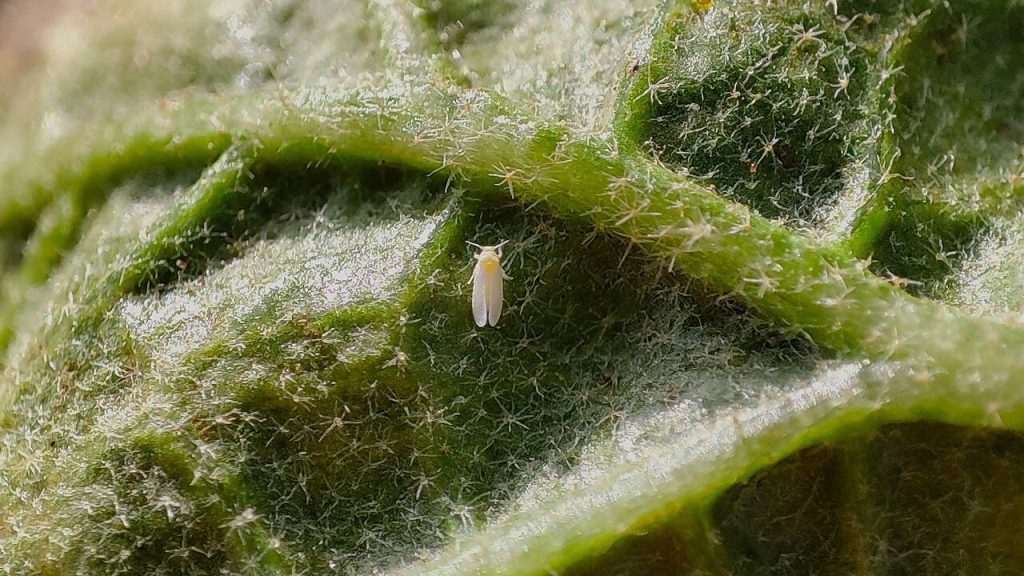
They scanned the materials to assess their properties and tested their strength. They also carried out tests to assess how lethal citronella oil was to the whitefly Bemisia tabaci, which can transmit over 100 plant viruses and is considered one of the world’s most serious crop pests. First, they assessed how lethal the essential oil was to the insects, then to what extent they deterred them laying eggs on strawberry plants under both lab and greenhouse conditions.
They found that not only did citronella oil have a positive impact on the structure of the mulch film, with a stronger plasticising effect than the soybean oil and improved mechanical properties, but it killed the whitefly and prevented them laying eggs on strawberry plants. While films containing just cellulose acetate and soybean oil saw significantly higher oviposition by B. tabaci, films including citronella saw drastic reductions, with the mean number of eggs laid below 1.
There are few effective insecticides against B. tabaci, meaning that such results are likely to merit further investigation by an industry seeking new solutions to mitigate the ubiquitous pest’s impact.
Dual function: soil cover and pest control
Although cellulose acetate costs more than conventional alternatives such as polyethylene, the scientists argued that the combined soil coverage and pest control qualities could make the investment worthwhile.
“This combination could lead to reduced pesticide inputs, mitigation of resistance development in pest populations, and improved environmental safety,” they wrote in the journal Agricultural Science & Technology.
Implications for pesticide reduction
The team suggested that films embedded with natural oils could reduce dependence on conventional pesticides, meeting the demands of sustainable agriculture.
“The promising repellent performance observed under laboratory and greenhouse conditions supports the potential of these films as multifunctional materials capable of combining soil coverage, flexibility, and biological activity,” they added.
Key takeaways
- Citronella mulch reduced whitefly egg-laying to fewer than one per plant.
- The film also showed improved mechanical and structural properties.
- Whiteflies were both repelled and killed by citronella-containing materials.
- Technology could reduce reliance on conventional insecticides.
- Higher costs may be offset by combined agronomic benefits.
If you’re interested in the technologies shaking up pest management, you might also like our stories on 3D-printed pheromone carriers and sugar-based nanotech.
Want to read more stories like this? Sign up to our newsletter for bi-weekly updates on sustainable farming and agtech innovation.