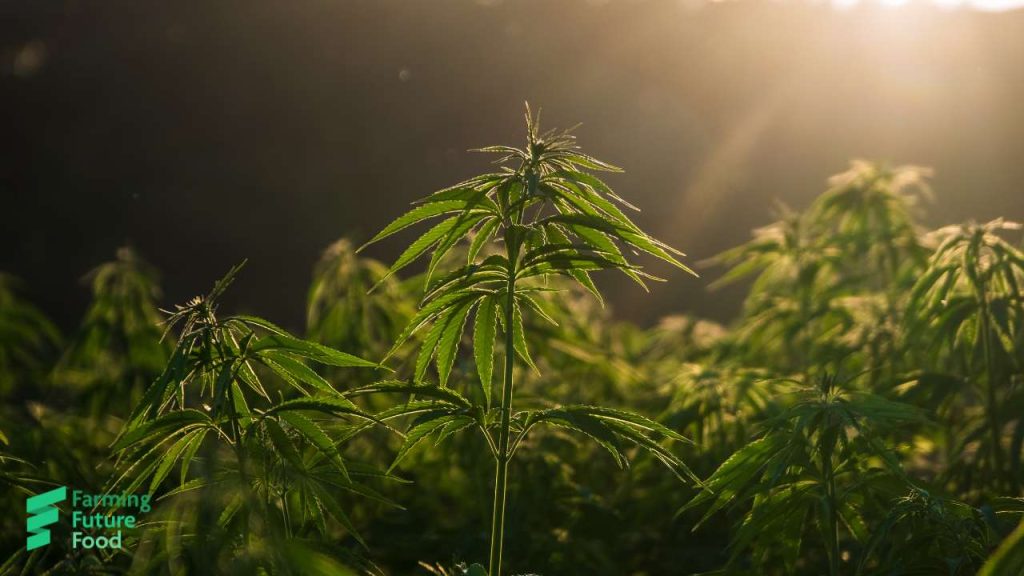
From biomass to by-products, the once niche crop Cannabis sativa (industrial hemp) is gaining traction across agriculture – not only in wellness or fibre, but increasingly in livestock nutrition, circular farming and biocontrol.
With feed costs rising, supply-chain pressures mounting and sustainability targets tightening, farmers and researchers are exploring hemp-based innovations. Here, Farming Future Food takes a look at some of the areas where hemp has the potential to disrupt agriculture and food production in future.
1. Hemp seed improves meat quality in poultry diets
One of the most active areas of research is the use of hemp seed and seed meal in poultry diets. Recent trials have shown improvements in tenderness, water-holding capacity and fatty-acid composition when hemp-derived ingredients are included at controlled levels.
A study examining broiler diets found enhanced omega-3 content and reduced oxidative-stress markers in meat when hemp seed was added, while maintaining growth performance.
Related work looking at the use of cannabis-processing waste in chicken feed also reported quality improvements without affecting growth metrics, suggesting that both primary seed products and by-products hold nutritional value.
2. Cannabis residues as practical feed ingredients
Attention has also turned to residues from cannabis and hemp processing, including leaves, stalks and press cake. Studies investigating their use in poultry diets indicate that these materials may have potential as partial feed replacements when properly processed.
Researchers examining cannabis residue as a supplement in poultry production found that it maintained growth performance while contributing to improvements in quality parameters such as fatty-acid content and antioxidant status.
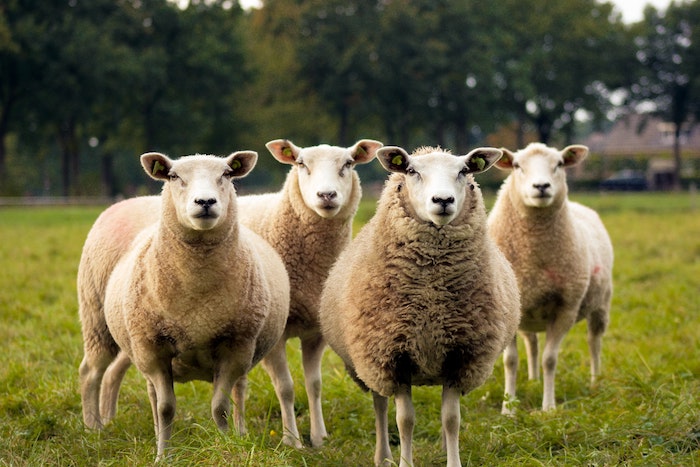
Trials at Oregon State University have also found that hemp biomass can be added to diets of finishing lambs with no impact on production, meat quality or animal health, while further research has also indicated that incorporating a proportion of hempseed cake into finishing cattle diets can improve gut health and digestion.
Such findings are significant for producers seeking alternatives to imported protein meals, particularly in regions where hemp is already grown for seed or fibre and residues are readily available
3. Emerging evidence for gut-health benefits
Alongside effects on meat quality and overall performance, several trials point to possible gastrointestinal benefits. Broilers fed diets containing hemp seed cake have shown increased villus height and surface area in the intestines — structural changes associated with improved nutrient absorption. Researchers working with various hemp residues have noted the presence of bioactive compounds with antioxidant and anti-inflammatory properties, which may contribute to improved digestive resilience.
Although these mechanisms require further study, early data suggests hemp-derived ingredients could play a role in nutritional strategies aimed at supporting gut health and reducing reliance on antibiotics.
Read more:
- Can hemp industry by-products provide viable animal feed?
- Cannabis waste boosts chicken meat quality without impacting growth
- Meat quality improved by adding hemp seed to poultry diets
- What is the legal status of hemp feed and where are trials happening worldwide?
- Cannabis residue could be sustainable supplement in poultry production
4. Potential for lower-emissions and circular feed systems
Hemp’s agronomic characteristics also contribute to its growing appeal. The crop produces high biomass, grows quickly and can be cultivated with fewer pesticides than many conventional alternatives. These traits, combined with the potential to use seed, fibre and residues within the same farming system, make hemp a candidate for circular agriculture models.
Using locally grown hemp residues in feed could help reduce exposure to volatile global protein markets and lower transport-related emissions. In regions where hemp production is expanding, the opportunity to repurpose waste streams into feed ingredients aligns with efforts to shorten supply chains and improve on-farm sustainability.
5. Interest in natural crop-protection compounds
Beyond livestock feed, researchers are assessing the pesticidal properties of hemp-derived essential oils and plant extracts. Early studies suggest activity against several agricultural pests, prompting interest in how these compounds might contribute to integrated pest-management systems. These investigations are still at an experimental stage, with questions remaining around formulation, efficacy, cost and regulatory pathways, but the potential for hemp-derived biocontrol tools is attracting increasing attention.
6. Waste streams as a new resource
As hemp cultivation scales up, the volume of stalks, hurds and spent biomass is growing accordingly. In markets where processing capacity has increased, these materials are being explored for use in livestock feed, bio-composites, soil amendments and bedding. The feasibility of these applications depends heavily on processing, quality control and transport logistics, but early research suggests scope for converting what is currently low-value waste into higher-value materials.
Key takeaways
- Hemp seed improves poultry meat quality without major diet changes.
- Cannabis waste boosts meat traits without harming growth rates.
- By-products like hemp residue could reduce reliance on conventional feed.
- Hemp offers sustainable pest control options via natural compounds.
- Using hemp industry waste could close the loop on circular farming.
Want to read more stories like this? Sign up to our newsletter for bi-weekly updates on sustainable farming and agtech innovation.