Biogas produced from vegetable waste and sewage sludge could be used to grow protein-rich bacteria for animal feed, according to research in Qatar.
Laboratory tests showed that bacteria could grow using gas and nutrients recovered from the waste, offering a potential route to producing feed ingredients while making better use of materials that would otherwise need disposing of.
Researchers at Hamad Bin Khalifa University and Qatar University tested a system linking waste treatment with bacterial protein production. The bacteria grow in a nutrient-containing liquid, using methane supplied from biogas as a source of carbon and energy, alongside oxygen from air.
As they multiply, they produce protein-rich material that can be harvested. This is known as ‘single-cell protein’ and could provide a feed ingredient without requiring additional land to grow protein crops.
Recovering gas and nutrients
The study, published in Energy Conversion and Management: X, examined whether waste could supply two inputs needed to grow the bacteria: methane for carbon and energy, and nutrients such as nitrogen.
The researchers used anaerobic digestion to process discarded vegetables and sewage sludge, producing biogas and a nutrient-rich residue called digestate. They then tested whether methane from the gas could fuel bacterial growth and whether the liquid portion of the digestate could replace a prepared nutrient solution.
This would give biogas an alternative use to generating heat or electricity while recovering nutrients from the same waste.
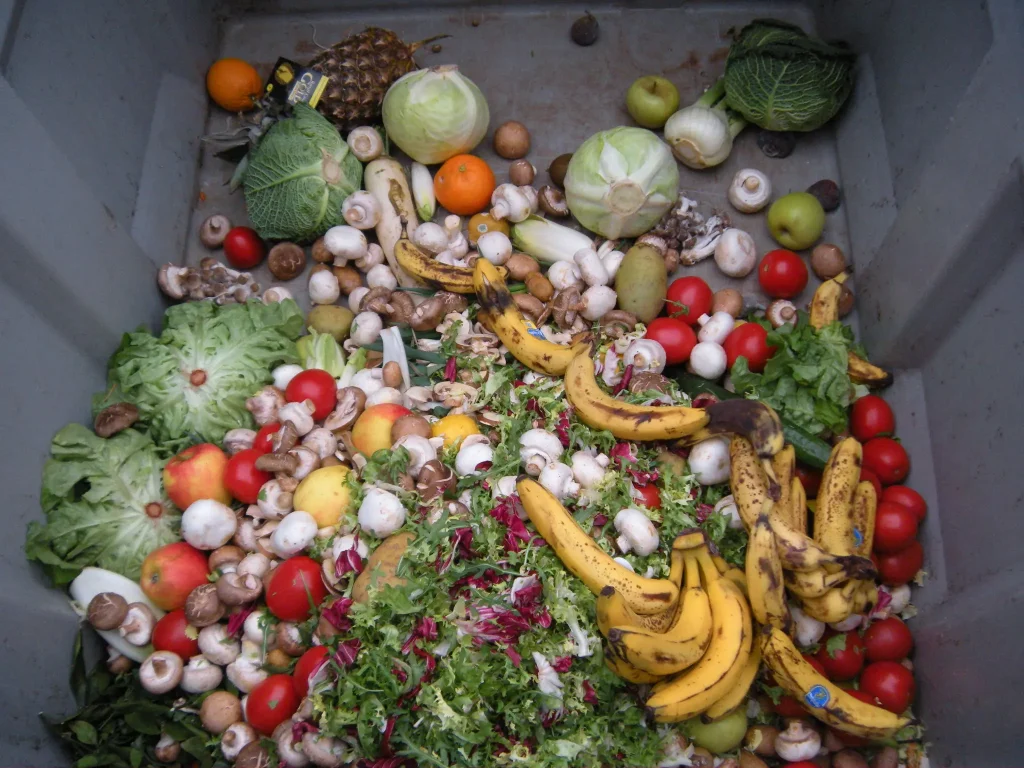
The vegetable waste included tomatoes, peppers, aubergines and cucumbers collected from a farm and retailers in Doha. Sewage sludge came from a local wastewater treatment plant.
A mixture of 75% vegetable waste and 25% sewage sludge produced the most biogas in the initial tests. The vegetables supplied readily degradable organic matter, while the sludge contributed nitrogen and helped control acidity, creating more favourable conditions for gas production.
Maintaining that balance required intervention during a longer digestion trial. When acids accumulated and disrupted the process, the researchers temporarily stopped feeding the digester and adjusted its operating conditions to restore stability.
Bacterial partnership improves production
The team also compared bacterial species grown separately and together to identify the most productive combination.
The best results came from combining a methane-consuming bacterium with another that uses by-products of methane breakdown. Together, they produced more bacterial material than either species alone, with a protein content of 51%.
Fine-tuning the methane and air supply increased production further, highlighting the importance of providing enough methane to fuel growth and enough oxygen for the bacteria to use it.
Using raw biogas and recovered nutrients proved more challenging than growing the bacteria with prepared inputs, the researchers said.
Raw biogas supplied alongside a prepared mineral nutrient solution produced approximately 690 milligrams of bacterial material per litre. Using raw biogas and digestate together reduced production further, to around 610 milligrams per litre.
The researchers suggest that impurities in the biogas, including hydrogen sulphide, restricted bacterial growth. Digestate also lacked some essential trace elements, indicating that gas purification and nutrient supplementation could be needed to improve output.
A separate 60-day trial showed that the bacteria could produce protein-rich material consistently, with protein accounting for about 42% of its dry weight. It also contained essential amino acids — the building blocks of protein that animals need to obtain from their diet.
The researchers concluded that its protein content and amino acid profile showed promise as an alternative protein source for animal feed. However, they did not test it in animals, so its digestibility and effects on animal performance remain unknown.
The longer trial also used purified methane and a prepared nutrient solution. To develop the waste-based process commercially, the researchers say further work is needed to remove impurities from biogas, improve the nutrient supply and scale up production cost-effectively.
- Researchers used biogas from vegetable waste and sewage sludge to grow protein-rich bacteria with potential for animal feed.
- Combining two bacterial species improved production, yielding material containing 51% protein in laboratory tests.
- Raw biogas and recovered nutrients supported growth, but production was lower than with purified methane and a prepared nutrient solution.
- The protein content and amino acid profile showed promise for feed use, but animal feeding trials and further process development are needed.
Want to read more stories like this? Sign up to our newsletter for bi-weekly updates on sustainable farming and agtech innovation.