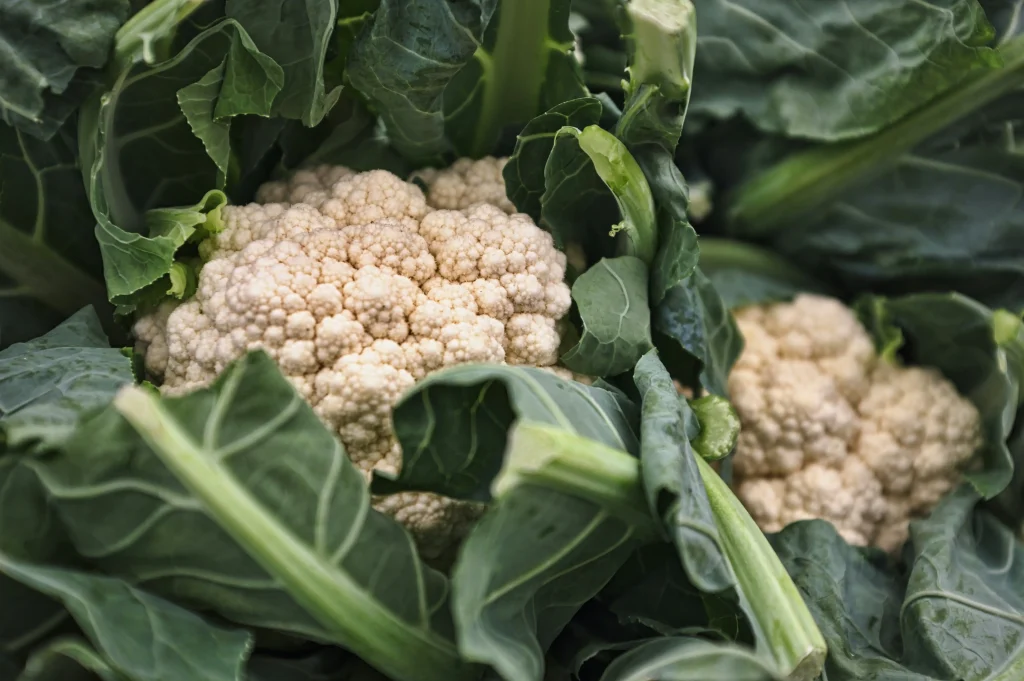
Discarded cauliflower leaves could help farmers reduce the cost of producing chicken meat by replacing some conventional feed ingredients, according to a study in India.
Researchers found that leaves dried and milled into meal could make up 15% of chicken feed without significantly affecting growth or meat yields.
At that level, feed costs per kilogram of liveweight were about 9% lower than for birds receiving a conventional diet, pointing to a potential use for material that would otherwise be thrown away.
The findings, published in Poultry Science, suggest cauliflower waste could partly replace maize and soya bean meal while retaining the nutritional balance needed to raise chickens for meat.
Researchers from the Indian Council of Agricultural Research and Kamdhenu University tested the ingredient in 240 chickens over six weeks at a research farm in Bareilly, northern India.
From market waste to feed
Cauliflower leaves are usually discarded when the vegetable is prepared for sale, despite containing protein, fibre and other nutrients. The researchers collected leaves from a nearby market, washed and chopped them, then dried them in the sun before milling them into meal. The dried material contained about 22% crude protein.
They compared a conventional feed with five diets containing between 5% and 15% cauliflower meal. The meal replaced some maize and soya bean meal, with other ingredients adjusted to keep energy and protein levels comparable across the diets.
Birds gained similar amounts of weight regardless of which diet they received. Feed intake and the amount of feed needed to produce each kilogram of weight gain also showed no statistically significant differences. The study therefore found a cost-saving opportunity from changing the ingredients, rather than from making chickens grow faster.
Cheaper ration
Including 15% cauliflower meal reduced the cost of feed used in the final stage of rearing by almost 10%, compared with the conventional ration, the researchers found.
After accounting for feed consumption and bird performance, feed costs per kilogram of liveweight were about 9.4% lower. Feed costs per kilogram of dressed carcass — the bird after slaughter and processing — fell by about 8.9%.
The potential savings elsewhere would depend on local feed prices and whether cauliflower leaves could be sourced and processed cheaply enough to compete with conventional ingredients. Access to a nearby vegetable market or processor could offer a supply, but collection, transport, drying and milling would all affect the economics.
The trial used sun-dried leaves prepared at temperatures of about 39°C in relatively dry conditions. Producers in cooler or wetter regions may need additional drying equipment, adding costs that could reduce the savings.
Meat quality maintained
Replacing conventional ingredients did not significantly alter the proportion of each bird recovered as meat or the yields of breast, thigh and other cuts. The meat also retained similar protein and fat levels, while assessments of appearance, colour, odour and overall acceptability found no significant differences.
There were signs of an additional benefit from plant compounds in the leaves. Meat from birds receiving higher amounts of cauliflower meal contained more phenolic compounds, which are associated with antioxidant activity.
At the highest inclusion rate, breast meat showed less fat oxidation, a process that contributes to rancidity. However, the researchers did not establish whether this would translate into a longer shelf life.
Birds receiving cauliflower meal also digested some components of their feed more effectively, including fat and fibre at the highest inclusion rate. Protein digestion remained comparable with the conventional diet.
The researchers concluded that cauliflower waste meal could account for up to 15% of the balanced diets tested, lowering feed costs while maintaining growth and meat production.
While the trial used one chicken variety raised in cages at a research farm, larger commercial trials would help establish how consistently the results translate to other flocks and production systems, the researchers added.
- Dried cauliflower leaves replaced some maize and soya bean meal in a six-week trial involving 240 chickens in India.
- Balanced diets containing up to 15% cauliflower meal maintained growth and meat yields, with no statistically significant differences from conventional feed.
- At 15% inclusion, feed costs per kilogram of liveweight were about 9% lower, based on the trial’s ingredient prices.
- Commercial savings would depend on local supplies and the cost of collecting, drying, milling and storing the leaves.