The insect protein industry has always worked under the assumption of sustainability, compared to the impact of rearing conventional livestock. Research shows how the sector can deliver an even deeper green.
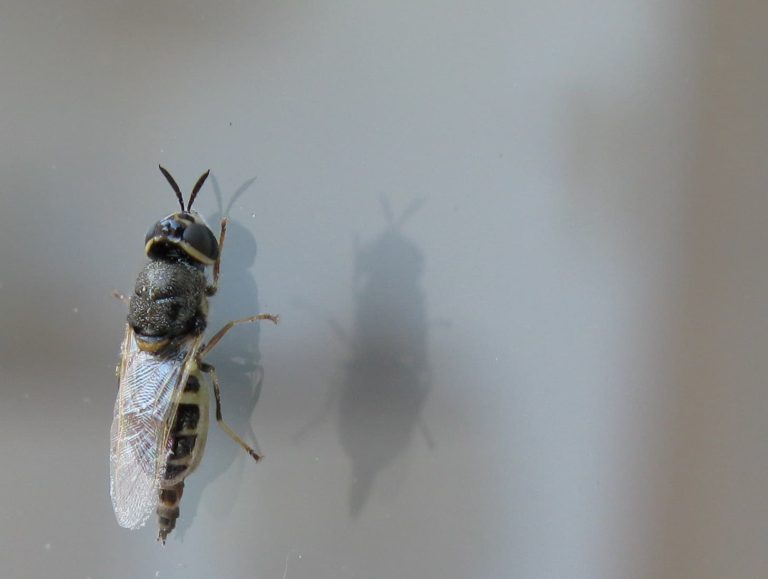
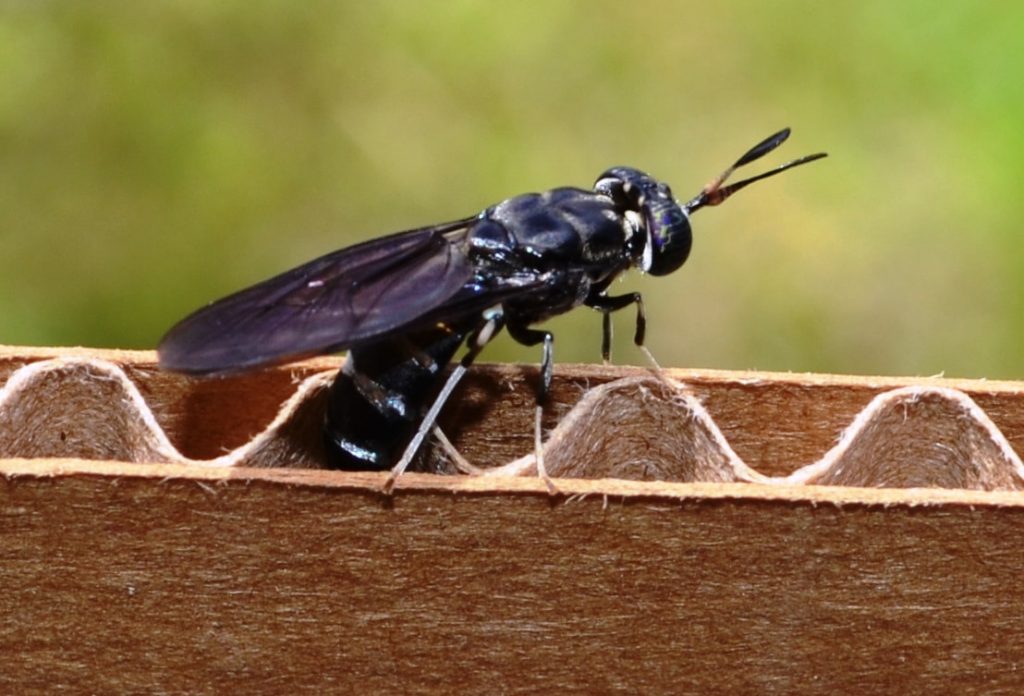
Aditya Francis from the German Institute of Food Technologies conducted a lifecycle assessment of the Dutch company Protix, which produces black soldier fly (BSF) meal, oil and puree, as well as fertiliser from waste products.
The work builds on a previous study looking at sustainability performance in 2019, when industrial processing facilities were at pilot stage. Since then, Protix has built new facilities and updated its systems, with the intention of using fewer resources – and it appears that the company has achieved this target.
Tackling feed, energy and genetics to cut black soldier fly emissions
The study took production data and created a model for impact analysis drawing on different international life cycle assessment methodologies. The results point to the positive impact of introducing food industry side streams such as grey starch, a product of the potato processing industry, into insect feed, powering the facilities with wind turbines and improving insect genetics.
The changes reduced carbon emissions from producing the frass fertiliser by 50%, by 30% from producing fresh insects and insect puree and 29% from insect meal production. Wind energy “achieved a remarkable reduction in carbon emissions across products,” said Francis, while the shift in feed alone reduced not only CO2 emissions, but land and water use.
“Considerable reductions in environmental impact are needed and could be obtained by the BSF industry,” Francis wrote in Journal of Cleaner Production.
“Industrial production has only taken place since 2023, while conventional livestock production is centuries old. With similar focus and investment, the same improvements in sustainability that have been achieved for other livestock will be possible to achieve for BSF.”
Real industry data highlights areas for environmental gains
The results add industry-scale data to a field which has often relied on pilot-scale data and forecasting, while highlighting hotspots for insect farmers to focus on. Francis stressed the importance of a continued focus on genetics and feed to improve the lifecycle performance of BSF products.
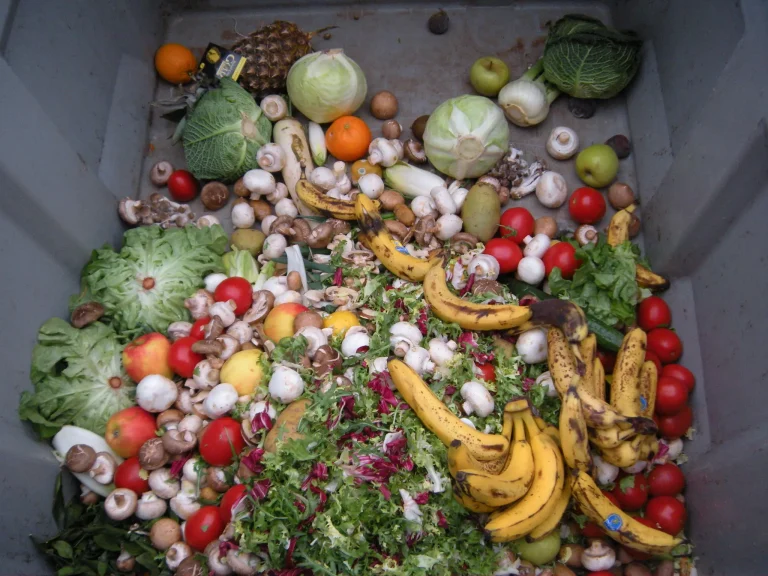
The exact nature of the genetic improvements made by Protix, as well as the composition of its feed remain unpublished for reasons of commercial sensitivity. However, it is reasonable to assume that the insects have been optimised for feed conversion, with Francis noting the significant advancements made in this respect among other livestock. He also highlighted that the company’s continued use of oat meal husk, and its related transportation, remains a prime contributor to its remaining environmental impacts.
Insect-based products compete in the pet food market
With strong sustainability potential underlined, the work also shows that insect protein, fat and fertiliser products compete very favourably against competitors’ products in the pet food market – a prime target for Protix and other companies in the sector.
“These insights not only support the scaling-up of BSFL production but also provide actionable strategies for minimizing environmental impacts, making insect-based products more economically viable and widely accepted in the food and feed industries,” Francis added.
- Wind power significantly reduced carbon emissions across black soldier fly products.
- Food industry by-products in insect feed cut emissions, land use and water use.
- mproved insect genetics helped boost production sustainability.
- Changes cut frass fertiliser emissions by 50%.
- Emissions fell 30% for fresh insects and puree, and 29% for insect meal.
Want to read more stories like this? Sign up to our newsletter for bi-weekly updates on sustainable farming and agtech innovation.