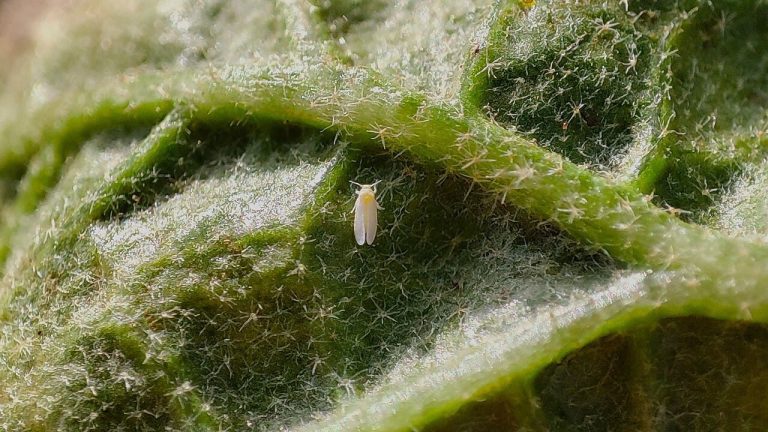
A natural compound made from olive oil could help oilseed rape growers to cut insecticide use by up to 80% while improving control of cabbage stem flea beetle (CSFB), according to new UK research.
In controlled trials, mixing the compound — known as SYN-A — with the commonly used pyrethroid lambda-cyhalothrin increased mortality in resistant beetle populations from 20% to 75%. Plant damage was reduced by at least half compared with using the insecticide alone.
The findings, published in Pest Management Science, suggest the approach could restore the performance of pyrethroid sprays that have become unreliable in many parts of the UK and Europe.
CSFB is the most damaging autumn pest of oilseed rape, and since neonicotinoid seed treatments were banned in the EU, growers have relied heavily on foliar pyrethroids to tackle them.
However resistance has spread across the rapidly and in some regions adult beetles now survive standard spray programmes, leading to poor establishment, patchy crops and, in some cases, complete crop loss.
Industry data over recent seasons have shown significant reductions in UK oilseed rape area, with CSFB widely cited as a key factor behind grower exits from the crop.
The new research, carried out by scientists at Rothamsted Research and ApresLabs Ltd, indicates that adding SYN-A to lambda-cyhalothrin could reverse some of that resistance.
When researchers applied just 20% of the recommended insecticide rate alongside SYN-A, control was 2.2 times higher than using the full rate of insecticide on its own, meaning lower chemical input delivered better beetle kill.
Intercropping with faba beans and decoys reduces pest pressure in oilseed rape
Biopesticides show promise as weapon against beetle which has hit UK oilseed rape farming
‘Intelligent traps’ and flower strips could help tame oilseed rape pest
Camera traps offer new insights into pest management strategies
Supporting insecticide function
While SYN-A doesn’t kill the beetles directly, it blocks the pest’s ability to break down the insecticide.
Resistant CSFB populations have developed internal defence systems that detoxify pyrethroids before they can take effect. SYN-A shuts down those defence mechanisms, allowing the insecticide to work again.
While the findings offer promise in controlling CSFB, the research team found SYN-A also increased mortality in Microctonus brassicae, a beneficial parasitoid wasp that naturally attacks adult CSFB. The wasp lays its eggs inside the beetle, and the developing larva eventually kills the host, providing background biological control.
Dr Patricia Ortega-Ramos who carried out the study, said the compound’s potential impact on beneficial insects meant it was critical to design implementation strategies carefully, including considering spray timing and further evaluation of impacts under real field conditions.
Larger-scale trials are now needed before firm recommendations can be made, the research team added.
• A natural olive-derived compound (SYN-A) restored the effectiveness of lambda-cyhalothrin against resistant cabbage stem flea beetle (CSFB).
• In trials, beetle mortality increased from 20% to 75% when SYN-A was added to the spray mix.
• Using just 20% of the standard insecticide rate with SYN-A delivered 2.2 times better control than a full-rate pyrethroid spray alone.
• Plant damage was reduced by at least 50% compared with insecticide-only applications.
• The mixture also increased mortality in the beneficial parasitoid wasp Microctonus brassicae, meaning spray timing and further field-scale trials will be critical before on-farm use.
Want to read more stories like this? Sign up to our newsletter for bi-weekly updates on sustainable farming and agtech innovation.