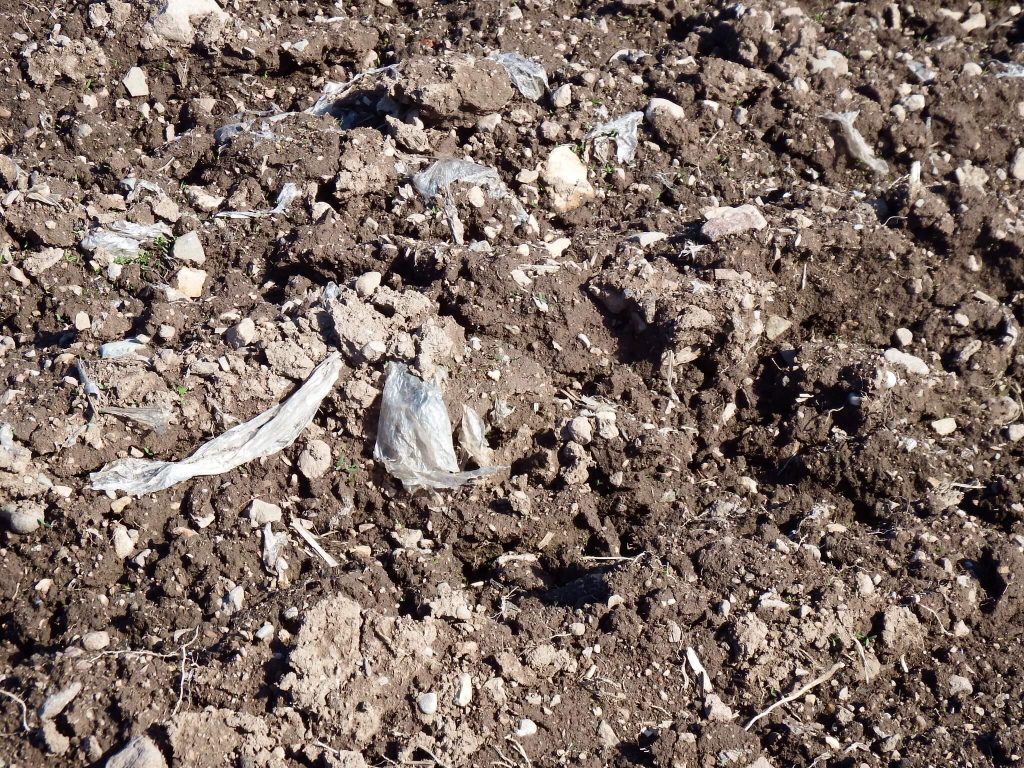
Plastic fragments in soil have a negative impact on how carbon is stored in fields and emissions from growing crops, according to trials in China.
While storing carbon in soils is a vital part of climate mitigation efforts, plastic pollution is a growing problem in agriculture, with many plastics still used worldwide, degrading into soils, and posing long-term risks to food security.
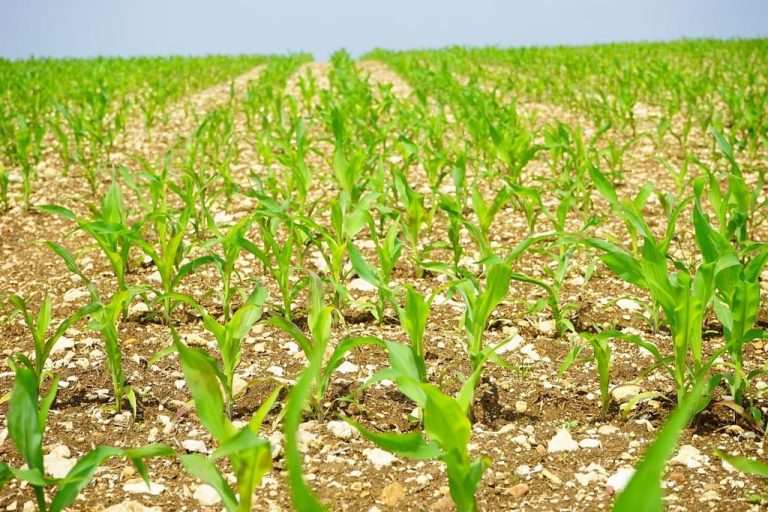
In the study at the Dryland Agricultural Experimental Station of Lanzhou University, researchers landfilled low, medium and high levels of two different types of plastic fragments (polyethylene and polylactic acid) and grew maize plants in the soils. In the airtight experimental arenas, they generated carbon dioxide using a chemical reaction, then used an absorption method to measure CO2 released from soils and collected plant and soil samples.
Carbon storage down, emissions up
They found that not only did the soil plastics significantly reduce the amount of carbon that was assimilated into soils from photosynthesis, but also significantly increased CO2 emissions from the soils.
Effects on both the plants and soils contributed to the inhibited carbon sink. Root length, weight, diameter and surface area all significantly declined with plastic presence, contributing to a decline in root carbon fixation.
They noted that detrimental impacts on root traits lead to lessened soil aggregate formation, and ultimately weakened physical protection of soil organic carbon, which is then broken down by microorganisms.
New insight could help curb global problem
“Given the backdrop of escalating plastic pollution, investigating the carbon balance in agro-ecosystems has become a crucial concern,” the researchers wrote in the journal Environment International.
Importantly, the scientists found that it was concentration of plastic fragments, not the type of plastic, that had the most telling impact on soil carbon sequestration. In the study, whether the plastic was biodegradable or not, they still recorded negative effects.
“By providing these mechanistic insights, our findings can facilitate more accurate global assessments, since plastic footprint evidently restricted carbon footprint, particularly carbon sequestration across the soil-plant-atmosphere-continuum in dryland,” they added.